Social Media Strategies for Travel Entrepreneurs to Build Wealth and Well-Being
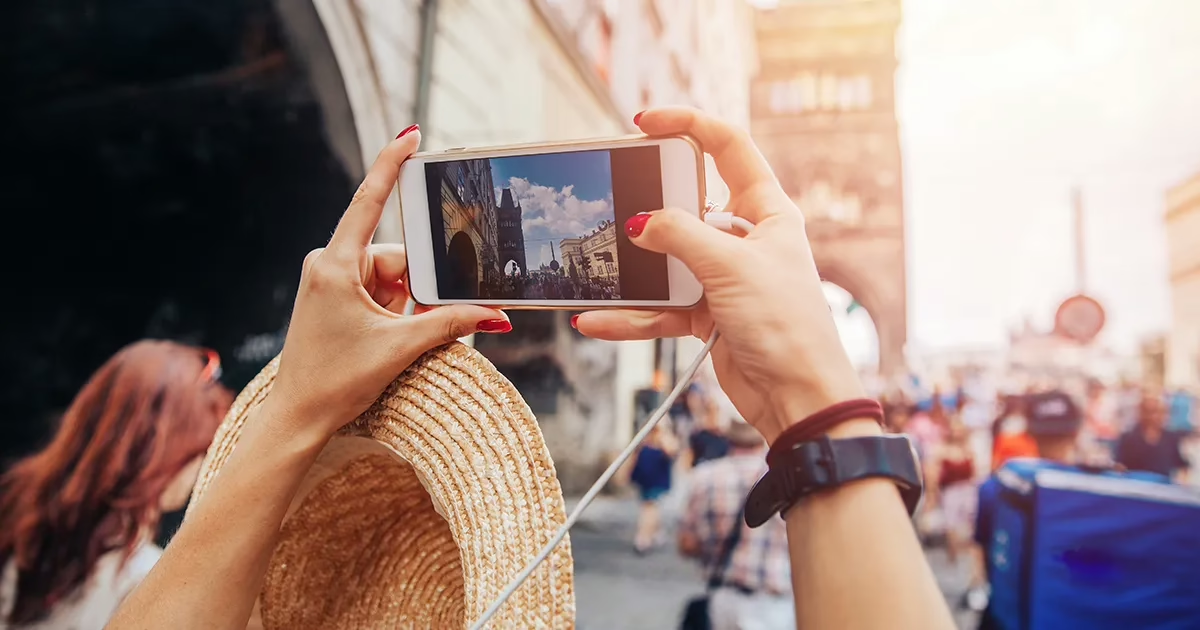
Travel entrepreneurship combines creativity, mobility, and business strategy. Whether running a travel agency, tour company, content platform, or location-based service, modern travel entrepreneurs increasingly rely on social media to grow their ventures.
Beyond marketing, social media now plays a role in financial stability, work-life balance, and personal well-being. When used intentionally, it supports both wealth creation and a healthier lifestyle.
This article explores practical social media strategies that help travel entrepreneurs build income while protecting their mental and physical well-being.
Understanding the Role of Social Media in Travel Businesses
Social media has become a primary channel for discovery in the travel industry. Travelers research destinations, accommodations, and experiences through visual platforms and trusted creators.
For travel entrepreneurs, social media serves multiple purposes:
- Brand visibility and storytelling
- Direct communication with customers
- Lead generation and sales support
- Community building and trust development
Successful entrepreneurs approach social media as a long-term business asset rather than a short-term promotional tool.
How to Choose the Right Platforms for Sustainable Growth?
Not all platforms serve the same purpose. Travel entrepreneurs benefit most when they focus on platforms that align with their audience and business goals.
For example:
- Instagram and YouTube support visual storytelling
- LinkedIn works well for partnerships and B2B travel services
- Facebook groups help nurture niche travel communities
- Short-form video platforms increase reach when used selectively
Focusing on one or two primary platforms reduces workload and supports consistency, which is essential for well-being.
Creating Content That Supports Both Sales and Wellness
Content creation does not need to be constant to be effective. Travel entrepreneurs often find balance by producing content that serves multiple purposes.
High-performing content includes:
- Educational posts that solve traveler problems
- Destination guides with practical insights
- Behind-the-scenes business stories
- Client experiences and testimonials
- Thoughtful reflections on travel and work balance
By planning content in advance, entrepreneurs avoid last-minute stress and maintain a healthier workflow.
Building Wealth Through Social Media Monetization
Social media offers several revenue opportunities beyond traditional advertising. Travel entrepreneurs often diversify income streams to reduce financial pressure.
Common monetization methods include:
- Direct bookings through social channels
- Affiliate partnerships with travel services
- Digital products such as guides or itineraries
- Sponsored content aligned with brand values
- Consulting or coaching services
Clear pricing, transparent communication, and consistent value delivery help create predictable income over time.
Using Analytics to Work Smarter, Not Longer
Data plays a key role in sustainable social media growth. Analytics help entrepreneurs understand what works without unnecessary effort.
Tracking engagement, reach, and conversion data allows for better decision-making. Instead of posting daily, entrepreneurs can focus on formats and topics that consistently perform well.
This approach saves time and supports mental clarity, contributing directly to well-being.
Protecting Mental Well-Being in a High-Visibility Industry
The travel industry often presents an idealized image of constant movement and enjoyment. For entrepreneurs, this can create pressure to remain active and successful at all times.
Protecting mental well-being requires setting boundaries, such as:
- Limiting daily screen time
- Separating personal travel from work content
- Taking scheduled breaks from posting
- Avoiding constant comparison with competitors
Entrepreneurs who prioritize mental health are better equipped to make thoughtful business decisions.
Maintaining Physical Health While Managing a Travel Brand
Running a travel business often involves irregular schedules, frequent travel, and long working hours. Social media strategies can support healthier routines.
Many entrepreneurs:
- Schedule content to free up offline time
- Use walking meetings or mobile planning
- Share realistic wellness habits rather than extremes
- Build rest days into travel and work schedules
When health is integrated into daily operations, productivity becomes more sustainable.
Building Trust and Long-Term Customer Relationships
Trust is the foundation of successful travel brands. Social media allows entrepreneurs to communicate openly and consistently with their audience.
Ways to build trust include:
- Sharing accurate and up-to-date travel information
- Responding promptly to questions
- Being transparent about pricing and policies
- Showing real experiences rather than only highlights
Strong relationships lead to repeat customers, referrals, and organic growth.
Creating Systems That Reduce Burnout
Burnout is common when social media becomes unmanaged. Travel entrepreneurs benefit from systems that reduce the daily decision-making burden.
- Monthly content calendars
- Automated scheduling tools
- Clear brand messaging guidelines
- Delegation of tasks when possible
Systems create stability, allowing entrepreneurs to focus on creativity and customer experience.
Aligning Business Goals with Personal Values
Long-term success in travel entrepreneurship depends on alignment between business goals and personal values. Social media should reflect this balance.
Entrepreneurs who clearly define their mission attract audiences that share similar priorities. This alignment reduces conflict and creates a more fulfilling business experience.
Well-being improves when work supports lifestyle rather than controls it.
Preparing for Long-Term Growth and Stability
Travel entrepreneurs who plan for the future are better positioned to adapt to industry changes. Social media supports long-term growth by providing visibility, education, and direct communication channels.
Investing in skills, diversifying income sources, and maintaining health ensure resilience during market shifts.
Growth becomes meaningful when it supports both financial independence and personal well-being.
Conclusion
Social media is a powerful tool for travel entrepreneurs when used with intention. By focusing on strategy rather than volume, entrepreneurs can build wealth without sacrificing health.
Balanced content planning, diversified monetization, and clear boundaries help create sustainable businesses. When well-being remains a priority, social media becomes a supportive platform rather than a source of stress.




Post Comment