How Traveling the World Impacts Mental Health—and How Creators Share It on Social Media
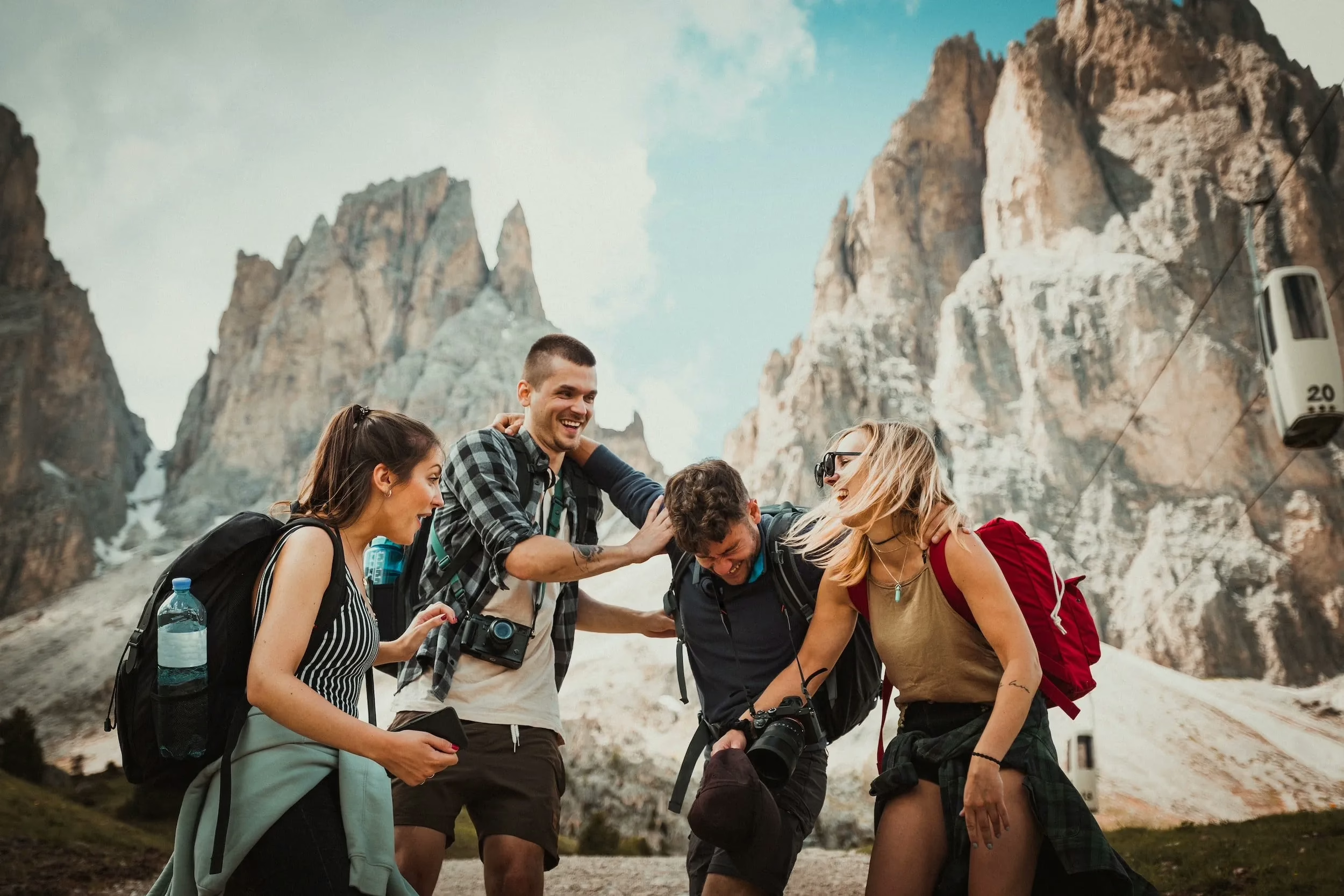
Global travel has become more accessible than ever. Remote work, flexible schedules, and digital platforms allow people to explore new places while staying connected to their careers. Alongside the excitement, travel also influences mental health in complex and deeply personal ways.
In recent years, content creators have begun openly discussing these experiences on social media. Rather than presenting travel as endlessly positive, many now share balanced perspectives that include both emotional growth and psychological challenges.
This article examines how traveling the world affects mental health and how creators responsibly communicate these experiences online.
Travel as a Catalyst for Emotional Change
Travel places individuals in unfamiliar environments. New cultures, languages, and routines require constant adaptation. This process can strengthen emotional resilience, but it can also create moments of stress.
For some travelers, being outside familiar structures leads to personal clarity. For others, it highlights emotional patterns that were easier to ignore at home. Travel often acts as a mirror, reflecting both strengths and vulnerabilities.
Creators who share these experiences help normalize emotional complexity rather than presenting travel as a permanent escape.
Positive Mental Health Effects of Travel
Travel can support mental well-being in several meaningful ways. Exposure to new environments stimulates curiosity and engagement, which may improve mood and motivation.
Common positive effects include:
- Increased mindfulness through present-moment awareness
- A sense of autonomy and independence
- Broader perspective on life priorities
- Reduced routine-related stress
Content creators often document these moments through reflective captions, videos, or long-form storytelling, focusing on personal growth rather than performance.
Emotional Challenges That Can Arise While Traveling
Despite its benefits, long-term travel can introduce emotional challenges. Constant movement may lead to fatigue, decision overload, or feelings of instability.
Some common mental health challenges include:
- Loneliness during extended solo travel
- Difficulty maintaining relationships
- Cultural adjustment stress
- Uncertainty related to finances or visas
Social media creators who address these topics openly contribute to more realistic travel narratives. Their content reassures audiences that emotional ups and downs are a normal part of global exploration.
The Role of Routine in Mental Stability
Mental well-being often depends on routine. Travel naturally disrupts daily habits such as sleep, meals, and work schedules.
Many travelers protect their mental health by creating flexible routines. These might include morning walks, journaling, meditation, or consistent work hours. Creators frequently share how they adapt familiar habits to new environments.
By showing routine as adaptable rather than rigid, creators help audiences understand that structure and travel can coexist.
Social Media as a Space for Emotional Expression
Social media allows travelers to document experiences in real time. For mental health discussions, this immediacy can be both supportive and challenging.
On the positive side, creators can:
- Share honest reflections
- Connect with supportive communities
- Reduce stigma around emotional health
- Encourage open conversation
However, constant sharing also requires emotional awareness. Many creators choose to reflect after experiences rather than during moments of vulnerability, which helps establish healthier boundaries.
Authentic Storytelling Versus Curated Images
Travel content has traditionally focused on visual highlights. While beautiful imagery remains popular, audiences increasingly value context and honesty.
Creators now balance aesthetic content with storytelling that explains:
- Emotional states behind the images
- Challenges not visible in photos
- Reasons for slowing down or resting
- Lessons learned from difficult moments
This approach builds trust and encourages viewers to engage with travel more thoughtfully rather than through comparison.
Managing Online Feedback and Emotional Impact
Sharing mental health experiences online invites interaction. While many responses are supportive, public feedback can also affect emotional well-being.
Creators manage this by:
- Setting limits on comment engagement
- Avoiding reading responses during sensitive periods
- Using moderation tools when necessary
- Seeking offline support alongside online validation
This balanced approach allows creators to remain open without becoming emotionally dependent on digital responses.
Community Building Through Shared Experiences
Social media platforms have become meeting points for travelers with shared emotional experiences. Online communities provide understanding that may be difficult to find in constantly changing physical locations.
Creators often host discussions, live sessions, or story prompts that invite followers to share their perspectives. These interactions foster connection and reduce feelings of isolation.
Mental health becomes a shared conversation rather than a private struggle.
Cultural Awareness and Emotional Growth
Travel introduces individuals to different cultural attitudes toward mental health. Exposure to diverse perspectives can challenge assumptions and encourage empathy.
Creators who acknowledge cultural differences help audiences understand that emotional expression varies across regions. This awareness promotes respectful storytelling and avoids oversimplification.
Mental health conversations become more inclusive when cultural context is recognized.
Balancing Privacy and Transparency
Not all mental health experiences need to be shared publicly. Responsible creators decide what to share and what to keep private.
Transparency does not require complete disclosure. Many creators choose to discuss emotional themes without sharing specific details, protecting both themselves and their loved ones.
This balance ensures that storytelling remains ethical and sustainable.
The Long-Term Psychological Impact of Travel
Extended travel often leads to lasting changes in identity and perspective. Travelers may develop increased adaptability, emotional awareness, and tolerance for uncertainty.
Creators who reflect on long-term changes help audiences understand that travel influences mental health beyond the journey itself. These reflections often focus on personal values, lifestyle choices, and emotional maturity.
The impact of travel continues even after movement slows.
Conclusion
Traveling the world shapes mental health in diverse and deeply individual ways. While it can enhance emotional resilience and perspective, it can also surface challenges that require care and self-awareness.
Content creators play an important role in shaping how these experiences are understood. By sharing balanced, thoughtful stories on social media, they contribute to a more realistic and supportive conversation about mental well-being and travel.
When approached with intention, both travel and social media become tools for connection, reflection, and emotional growth.








Post Comment